

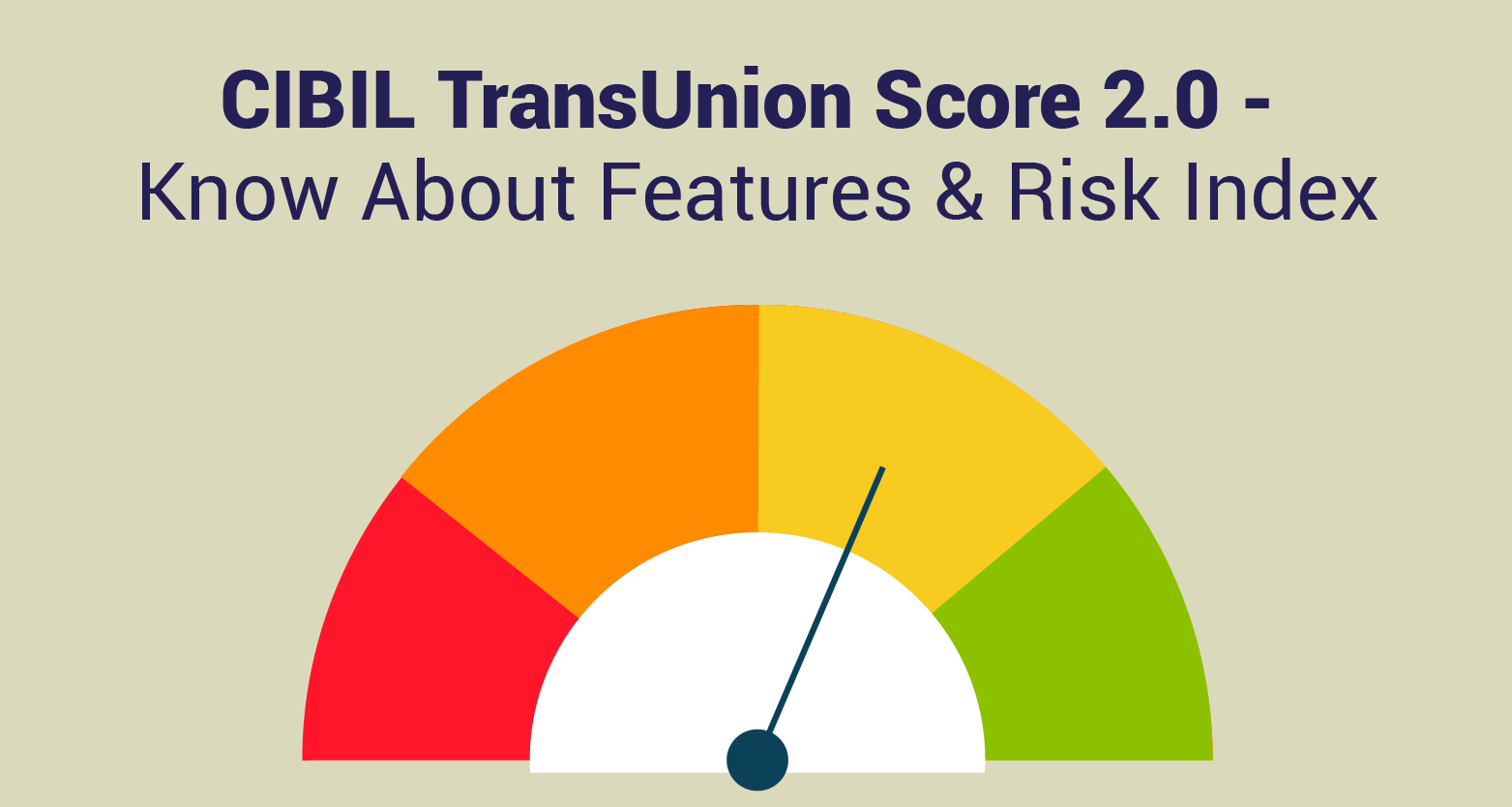
In the intricate world of credit, your TransUnion CIBIL score holds immense significance. This three-digit number plays a pivotal role in determining your creditworthiness and influencing lenders’ decisions when you apply for loans or credit cards. Understanding how this score is calculated can empower you to make informed financial choices and build a strong credit profile. This comprehensive blog post delves deep into the factors that influence your TransUnion CIBIL score, providing you with the knowledge to navigate the credit landscape with confidence.
A TransUnion CIBIL score is a three-digit number ranging from 300 to 900 that summarizes your credit history. It acts as a snapshot of your creditworthiness at a specific point in time, reflecting your past behavior in managing credit obligations. Lenders use this score to assess the risk associated with lending you money. The higher your score, the lower the risk you pose to lenders, increasing your chances of loan approval and favorable terms. It’s important to note that lenders use a variety of credit scores and are likely to use a credit score different from VantageScore 3.0 to assess your creditworthiness.
While the TransUnion CIBIL score is widely used in India, it’s essential to understand that there are different credit scoring models available. Each model may have its own methodology and criteria for evaluating creditworthiness. Some of the common credit scoring models used in India include CIBIL, Experian, CRIF High Mark, and Equifax. These models typically consider similar factors, such as payment history, credit utilization, and length of credit history, but they may weigh these factors differently in their calculations. As a result, your credit score may vary slightly depending on the model used by a particular lender.
TransUnion CIBIL considers various factors when calculating your credit score. These factors are categorized and weighted differently to provide a comprehensive assessment of your creditworthiness.
Your payment history holds the most significant weight in your CIBIL score calculation, accounting for 35% of the total score. It reflects your consistency in making timely payments on your credit obligations, such as loan EMIs and credit card bills. A strong track record of on-time payments demonstrates responsible credit management and positively impacts your score. Conversely, late or missed payments can significantly lower your score, signaling potential risk to lenders. For instance, imagine a person who consistently pays their credit card bills 30 days past the due date. This pattern of late payments will negatively impact their credit score, making it harder for them to get approved for loans or credit cards in the future.
It’s also important to be aware of the impact of a “settled” status on your CIBIL score. Settling an account means that you have negotiated with the lender to pay a lower amount than what you originally owed. While settling an account may seem like a solution to resolve debt, it can be viewed negatively by lenders and may lower your credit score.
The credit utilization ratio represents the amount of credit you are currently using compared to your total available credit limit. It is calculated by dividing your outstanding credit balance by your total credit limit. For example, if you have a credit card with a limit of ₹1,00,000 and your outstanding balance is ₹30,000, your credit utilization ratio is 30%. Maintaining a low credit utilization ratio, ideally below 30%, is crucial for a healthy credit score. A high credit utilization ratio suggests that you are heavily reliant on credit and may pose a higher risk of default.
To illustrate, consider two individuals with the same credit limit of ₹5,00,000. One individual utilizes ₹1,00,000 (20% utilization), while the other utilizes ₹4,00,000 (80% utilization). The individual with the lower credit utilization ratio will likely have a higher credit score, as it indicates better credit management.
The length of your credit history refers to the duration for which you have been using credit. It considers the age of your oldest credit account, the age of your newest account, and the average age of all your accounts. A longer credit history generally indicates greater credit experience and stability, which can positively influence your score.
For example, if you have a credit card that you’ve been using responsibly for 10 years, it will contribute positively to your credit history length. On the other hand, if you frequently open and close credit accounts, it can shorten your average credit history length and potentially lower your score.
Credit mix refers to the variety of credit accounts you hold, such as credit cards, personal loans, auto loans, and home loans. A healthy mix of secured (e.g., home loan, auto loan) and unsecured (e.g., personal loan, credit card) loans demonstrates your ability to manage different types of credit responsibly. While credit mix is not as heavily weighted as other factors, it can still contribute to a positive credit score.
A balanced credit mix shows lenders that you can handle various types of credit obligations, which can improve your creditworthiness. However, it’s important to note that you should not take on new debt solely to improve your credit mix. Focus on managing your existing credit accounts responsibly and diversify your credit mix gradually over time.
When you apply for new credit, lenders make inquiries into your credit report. These inquiries are recorded as “hard inquiries” and can have a minor impact on your credit score. Applying for too much credit in a short period can signal potential financial distress and may lower your score.
For example, if you apply for multiple credit cards within a few weeks, it may raise concerns for lenders and slightly lower your credit score. However, the impact of hard inquiries tends to lessen over time, and they fall off your credit report after two years.
TransUnion CIBIL recognizes that individuals with limited or no credit history may face challenges in accessing credit. To address this, they have developed the CreditVision New-to-Credit (NTC) Score. This score utilizes a lookalike model to assess the creditworthiness of new-to-credit consumers. The model identifies key characteristics of the new borrower, such as age, gender, geography, and bank, and then analyzes the credit behavior of similar borrowers with established credit histories. This approach helps lenders make informed decisions about extending credit to individuals who are new to the credit system.
For individuals with no credit history or those whose credit history hasn’t been reported to CIBIL for over 24 months, a score of “NA/NH or -1” is assigned. Similarly, individuals with less than six months of credit history are rated on a risk index from 1 to 5, with 1 being the highest risk and 5 being the lowest risk. This index helps lenders assess the creditworthiness of new borrowers with limited credit history.
A research paper published by the Becker Friedman Institute for Economics at the University of Chicago examined the adoption of credit scoring technology in retail lending by banks in India. The study found that new private banks (NPBs) were quicker to adopt credit scoring for all borrowers compared to public sector banks (PSBs). PSBs, on the other hand, adopted credit scoring quickly for new borrowers but not for existing borrowers. The study suggests that universal adoption of credit scoring could potentially reduce loan delinquencies significantly.
TransUnion CIBIL collects credit information from various sources, including banks, financial institutions, non-banking financial companies (NBFCs), and credit card companies. Lenders regularly submit updated information about your credit accounts to TransUnion CIBIL, typically every 30 to 45 days. This information includes details about your credit accounts, payment history, outstanding balances, and credit inquiries.
TransUnion CIBIL employs various measures to ensure the accuracy and fairness of its credit scoring model:
| Feature | Benefit |
| Standardized format | Reduces errors and ambiguity |
| Defined categories | Improves clarity and data interpretation |
| Error checks | Minimizes submission errors |
| Regulatory compliance | Ensures adherence to guidelines |
| Bulk reporting | Facilitates efficient data submission |
Self-monitoring your credit report is crucial for accessing credit opportunities and managing debt effectively. Studies have shown that consumers who monitor their credit reports tend to have better credit scores and greater access to credit. By regularly checking your credit report, you can stay informed about your credit health, identify any potential issues, and take corrective action to improve your creditworthiness.
There has been a significant improvement in credit inclusion in India in recent years. The percentage of the unserved population, those who lack access to formal credit, has decreased considerably. This indicates progress in making credit more accessible to a wider range of individuals and promoting financial inclusion.
Credit education plays a vital role in empowering consumers to make informed financial decisions. By understanding credit concepts, scoring models, and responsible credit management practices, consumers can improve their credit health and access financial opportunities.
Your TransUnion CIBIL score is a crucial indicator of your creditworthiness, impacting your access to credit and the terms you receive. By understanding the factors that influence your score, such as payment history, credit utilization, and credit history length, you can take proactive steps to build a strong credit profile. Remember to make timely payments, maintain a low credit utilization ratio, and manage your credit accounts responsibly. Regularly monitoring your credit report can help you identify any errors and ensure the accuracy of your credit information. With a healthy credit score, you can unlock financial opportunities and achieve your financial goals. Take control of your credit health by checking your credit report regularly and making informed financial decisions.
Our step-by-step approach keeps you informed and in control, ensuring a smooth path from application to approval. Stay updated with essential tips and expert advice to guide you every step of the way.
With over 97.6% Success Rate, we have helped many customers with not only loan disbursed,
but also a professional and trusted representation
Finoaa made my home-buying process smooth and stress-free. Their transparent and fast service, along with expert guidance, gave me confidence every step of the way. Highly recommend for home loans!

I was very skeptical about these Government Schemes loans, but Finoaa helped me understand they nitty-gritty of MSME loans considering my business needs. They were transparent, timely, and very supportive.
Finoaa helped ingetting an education loan for my child. Their professional process and exceptional support ensured peace of mind. Highly recommend for any parent.
I needed a working capital loan for my business, and got 2 rejections already by some other consultants where they were charging re-processing fees again and again. Finoaa just got it done at first instance. Thank you so much.
Finoaa made my car purchase a breeze! Got loan in just 1 day, so fast and quick. If you want a hassle-free experience, choose Finoaa!
We work with all major Banks, NBFCs, HNI Pool, and other financial institutions to explore the best possible deal for you

















of Joint Experience
Cases Sanctioned
Loan Disbursed
Pincodes Served


By clicking the button, you are agreeing with our Term & Conditions


